What to Eat During Your Trip?
One of the best ways to discover Morocco is through its food.
You can learn a lot about the country by walking through a souk full of spices, sharing mint tea with a local family, eating warm bread from a neighborhood oven or tasting a slow-cooked tagine after a long day on the road.
Moroccan cuisine is full of colour, aroma and tradition. It brings together Amazigh, Arab-Andalusian and Jewish influences, and many dishes change depending on the region, the season and the family recipe. Morocco’s official tourism website describes dishes such as couscous, tagine, pastilla, mrouzia and rfissa as some of the country’s most emblematic foods.
Here are some Moroccan dishes and food experiences you should try during your trip.
1. Tagine: the classic Moroccan dish
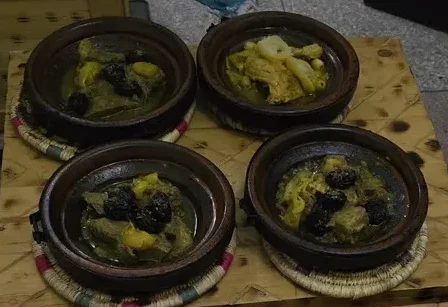
If there is one dish you will probably see everywhere in Morocco, it is tagine.
A tagine is both the name of the dish and the traditional clay pot used to cook it. The food is cooked slowly, which makes the meat, vegetables and spices full of flavour.
Some popular tagines include: chicken tagine with preserved lemon and olives, lamb tagine with prunes and almonds, vegetable tagine and beef or kefta tagine with eggs.
The best thing about tagine is that it feels simple, homemade and comforting. It is not fast food. It is food that takes time.
Curiosity: the cone-shaped lid helps the steam return to the food while it cooks, keeping everything tender and full of flavour.
2. Couscous: more than just a meal
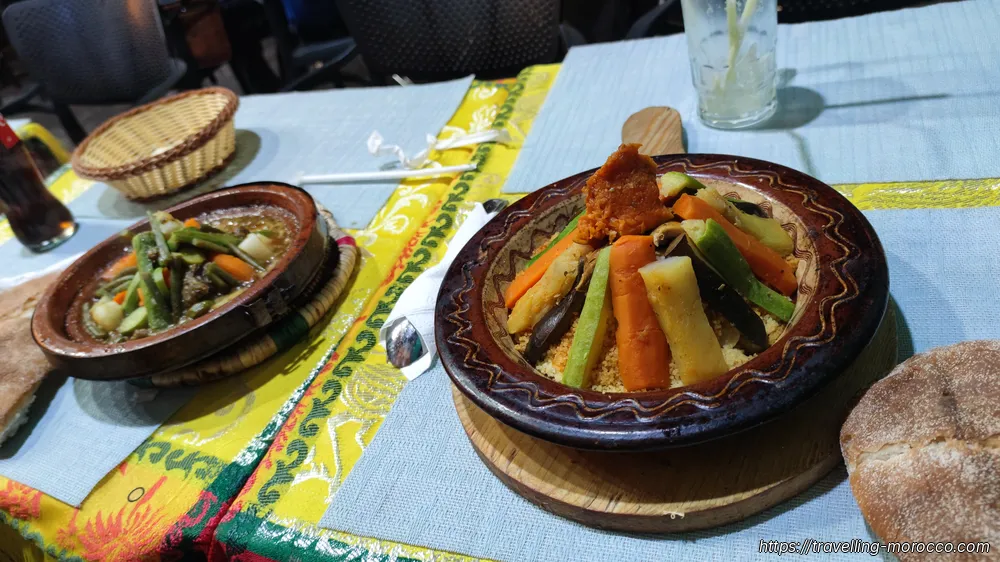
Couscous is one of the most important dishes in Moroccan culture. It is often served on Fridays, especially after the midday prayer, and it is usually shared with family.
A traditional couscous dish may include steamed semolina, vegetables, chickpeas, meat and a rich broth. But every family and region can prepare it in a slightly different way.
Couscous is not only food; it is a symbol of sharing and togetherness. In fact, the knowledge and practices related to couscous were inscribed by UNESCO as Intangible Cultural Heritage, shared by Morocco, Algeria, Tunisia and Mauritania.
Local tip: if you are invited to eat couscous in a Moroccan home, say yes. It is one of the most authentic food experiences you can have.
3. Pastilla: sweet and savoury in one bite
Pastilla is one of the most surprising Moroccan dishes for many travelers. It is a crispy pastry filled traditionally with pigeon or chicken, almonds, eggs and spices, then finished with cinnamon and powdered sugar.
At first, the combination may sound unusual. Sweet, salty, crunchy and soft all in one dish but this mix of flavours is exactly what makes Moroccan cuisine so special. Pastilla is often served on special occasions, celebrations or in more traditional restaurants.
Curiosity: Fes is especially famous for refined Moroccan cuisine, and pastilla is one of the dishes many travelers associate with the city’s culinary tradition.
4. Harira: the soup with a story
Harira is a warm Moroccan soup made with tomatoes, lentils, chickpeas, herbs and spices. Sometimes it also includes small pieces of meat or noodles.
It is especially popular during Ramadan, when many Moroccans eat it to break the fast at sunset but you can also find harira in restaurants, local cafés and street food stalls throughout the year. It is simple, filling and full of flavour.
Try it with: dates, chebakia pastries or fresh bread.
5. Moroccan salads: colourful and full of flavour
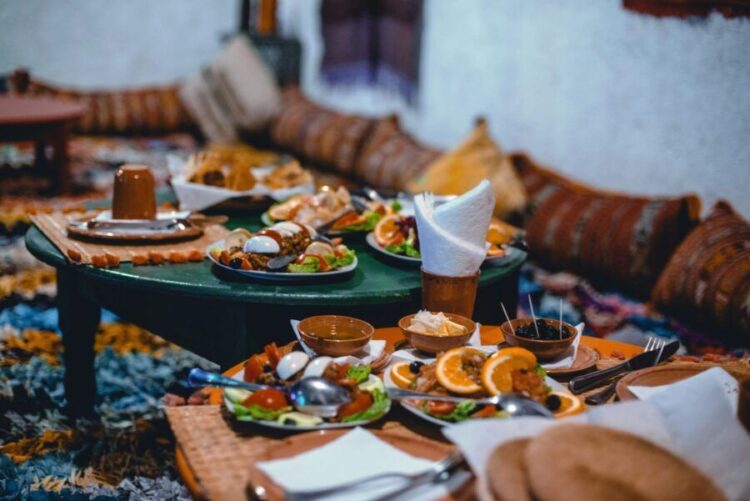
When you sit down for a traditional Moroccan meal, you may receive several small plates before the main dish. These are Moroccan salads, and they are very different from the cold green salads many travelers imagine. Some are cooked, some are spicy, some are smoky, and most are served with bread.
Look for:
- Zaalouk: cooked eggplant and tomato.
- Taktouka: roasted peppers and tomato.
- Carrot salad with cumin.
- Beetroot salad.
- Marinated olives.
These small dishes are perfect for sharing and are a good option for vegetarian travelers too.
6. Moroccan bread: always on the table
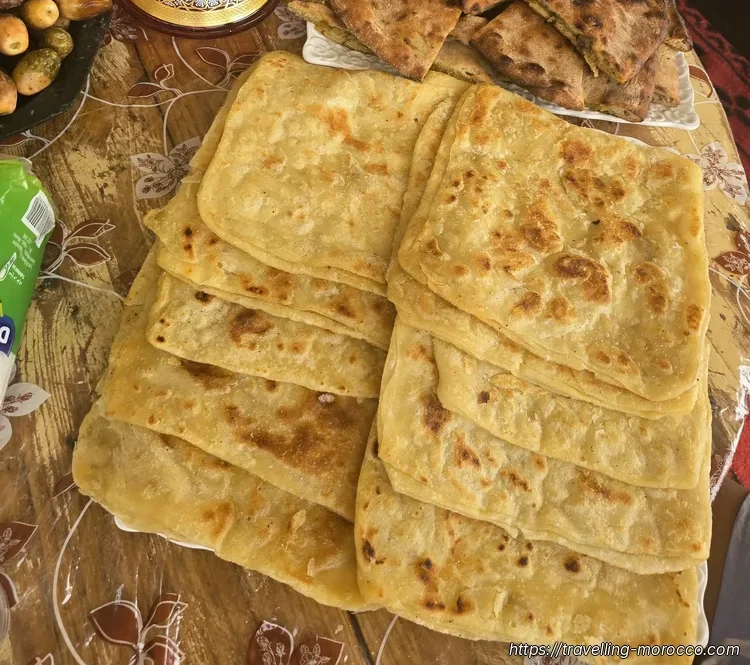
Bread is essential in Morocco. You will see it at breakfast, lunch and dinner. It is used not only to accompany food, but also to eat tagine, salads and sauces.
Some traditional breads include:
– Khobz: the classic round Moroccan bread.
– Msemen: layered, pan-fried flatbread.
– Harcha: semolina bread, often eaten at breakfast.
– Batbout: soft Moroccan bread cooked in a pan.
A simple breakfast with bread, olive oil, honey, cheese and mint tea can be one of the nicest moments of the day.
7. Street food: simple, local and delicious
Street food is a wonderful way to experience Moroccan daily life.
In Marrakech, Fes, Essaouira or small towns along your route, you may find grilled meats, soups, fresh juices, sandwiches, olives, pastries and roasted nuts.
Some things to try:
- Grilled brochettes.
- Fresh orange juice.
- Snail soup, if you are curious.
- Moroccan sandwiches.
- Grilled sardines in coastal towns.
- Maakouda, small potato fritters.
Local tip: choose busy places where food is cooked fresh and locals are eating too.
8. Fresh fish on the Atlantic coast
If your trip includes Essaouira, Agadir, Tangier or another coastal city, try the fish.
Morocco’s Atlantic coast is a great place to enjoy grilled sardines, sea bream, calamari, prawns or seafood cooked simply with lemon, herbs and spices. The Moroccan tourism board highlights port cities such as Tangier, Essaouira and Dakhla as places where fish dishes are especially worth trying.
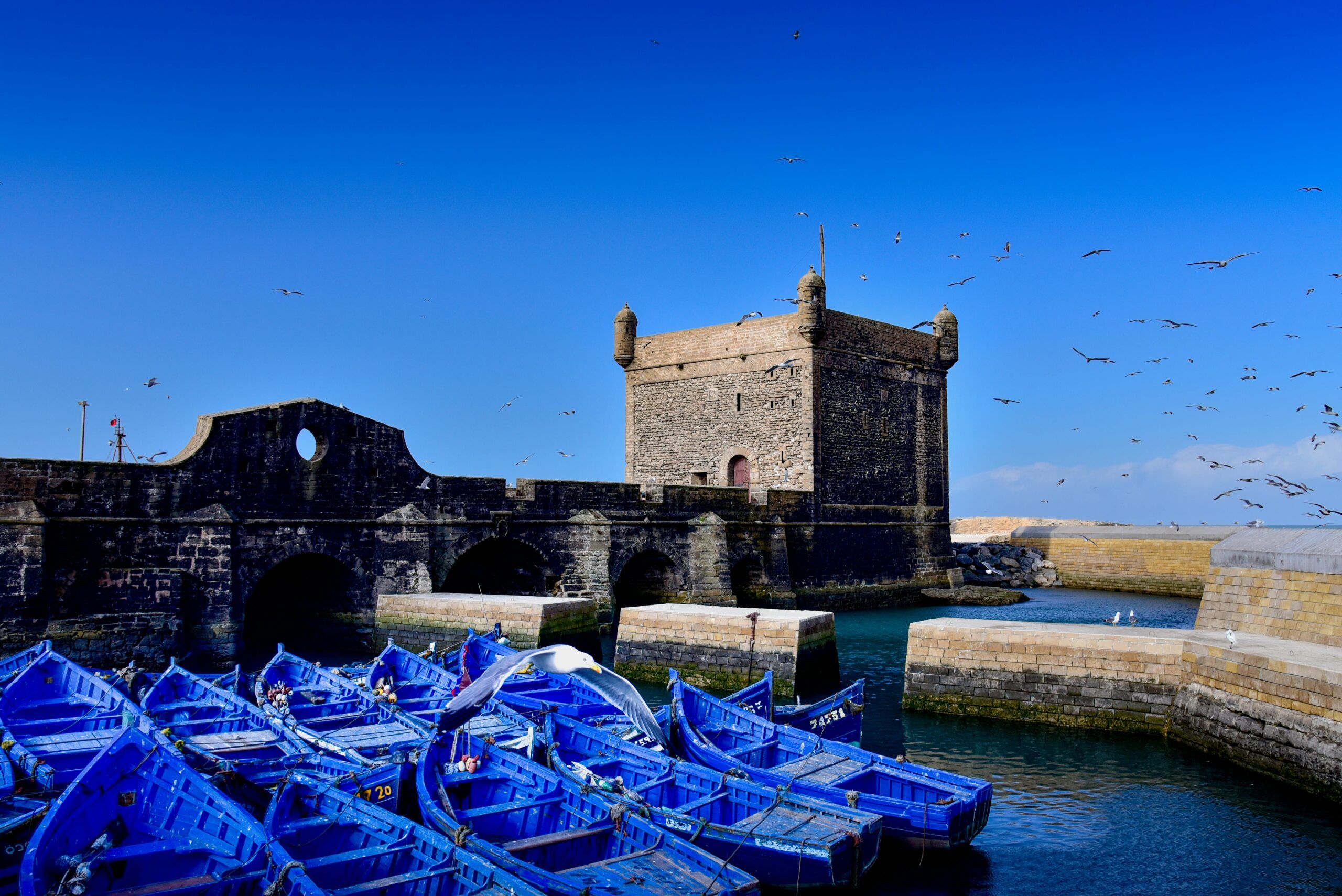
Essaouira is especially popular for seafood. After walking through the medina or along the port, a fresh fish lunch can be a perfect part of the day.
9. Amlou: Morocco’s delicious almond spread
Amlou is a sweet spread made with almonds, argan oil and honey. Some travelers describe it as a Moroccan version of nut butter, but with a much more local flavour. It is often eaten at breakfast with bread, msemen or pancakes.
Argan oil is strongly connected to Morocco, especially the southwest of the country. UNESCO recognizes the practices and know-how related to the argan tree as part of Morocco’s Intangible Cultural Heritage.
Curiosity: culinary argan oil has a nutty flavour and is different from cosmetic argan oil, which is used for skin and hair.
10. Mint tea: the taste of Moroccan hospitality
In Morocco, mint tea is much more than a drink. It is a welcome. It is a pause. It is a way to sit together, talk and share time.
Moroccan mint tea is usually made with green tea, fresh mint and sugar. It is often poured from high above the glass, creating foam on top.
You may drink it in a riad, in a shop, in a desert camp, in a family home or after a long walk through the medina.
Local tip: if someone offers you tea, it is usually a gesture of hospitality. Take your time and enjoy the moment.
11. Moroccan sweets and pastries
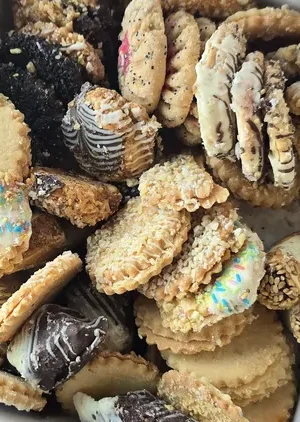
Moroccan sweets are often made with almonds, honey, sesame, orange blossom water or cinnamon.
Some pastries to try include:
– Chebakia: sesame and honey pastry, especially popular during Ramadan.
– Ghriba: Moroccan cookies with different flavours.
– Kaab el ghazal: almond-filled pastries known as “gazelle horns”.
– Briouats: small triangular pastries, sometimes sweet and sometimes savoury.
They are perfect with mint tea, especially after dinner or during a quiet afternoon in a riad.
12. What should vegetarian travelers eat in Morocco?
Vegetarian travelers can enjoy many Moroccan dishes, but it is always good to ask clearly.
Good vegetarian options include:
- Vegetable tagine.
- Moroccan salads.
- Lentil dishes.
- Bissara, a fava bean soup.
- Couscous with vegetables.
- Bread, olives and amlou.
- Harira without meat, if available.
In smaller places, it helps to explain that you do not eat meat, chicken or fish, because sometimes “vegetarian” may be understood differently.
Final thoughts
Moroccan food is not only about eating. It is about hospitality, family, patience and tradition. So when you travel through Morocco, do not only ask, “What should I see?”. Ask also: What should I taste?
Plan your Morocco trip
Would you like to discover Morocco through its flavours?
Trip to Essaouira
Trip to Ourika