Morocco’s Imperial Cities: A Journey Through History, Culture and Local Life
If you want to understand Morocco beyond the desert and the mountains, you should spend time in its Imperial Cities.
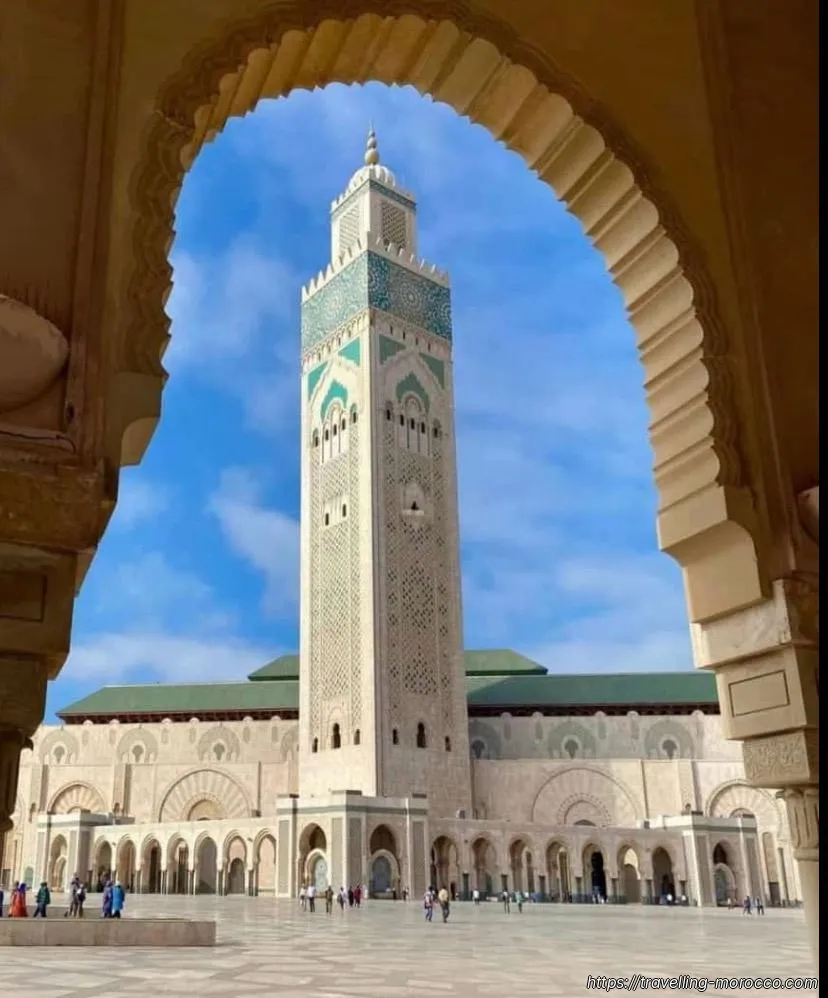
Fes, Marrakech, Meknes and Rabat are not just beautiful cities. They are places where Morocco’s history, royal past, architecture, crafts, food and daily life come together. Each city has its own personality, its own rhythm and its own way of welcoming travelers.
Some feel spiritual and ancient. Some are colourful and energetic. Some are quiet and elegant. Together, they tell the story of Morocco.
The Moroccan tourism board presents the four Imperial Cities as Marrakech, Rabat, Fes and Meknes, highlighting their historic monuments, culture and medinas as some of the country’s great travel experiences.
What are the Imperial Cities of Morocco?
The Imperial Cities are former or current capitals connected to Morocco’s great dynasties and royal history.
Each one was, at some point, an important political, cultural or spiritual centre of the country. Today, they are among the best destinations for travelers who want to experience Moroccan history in a real and living way.
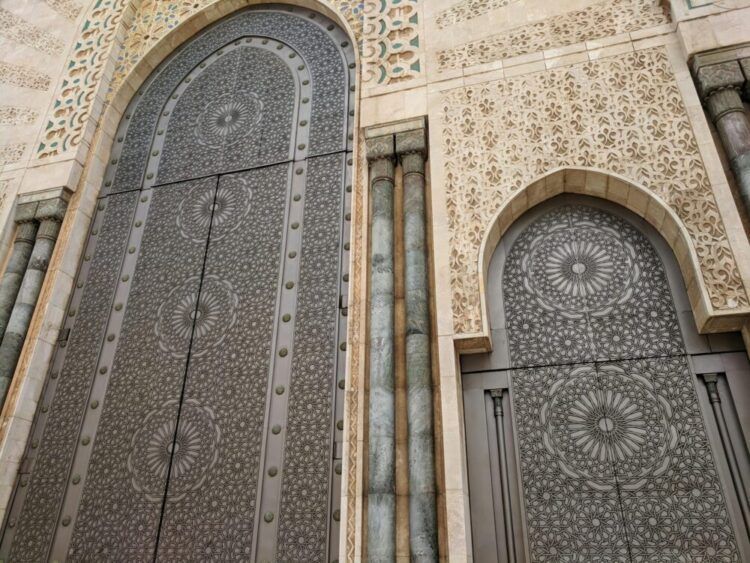
This is not the kind of history you only see behind glass in a museum. In Morocco’s Imperial Cities, history is in the streets, the doors, the markets, the mosques, the fountains, the riads and the hands of the artisans still working inside the medinas.
Fes: the spiritual heart of Morocco
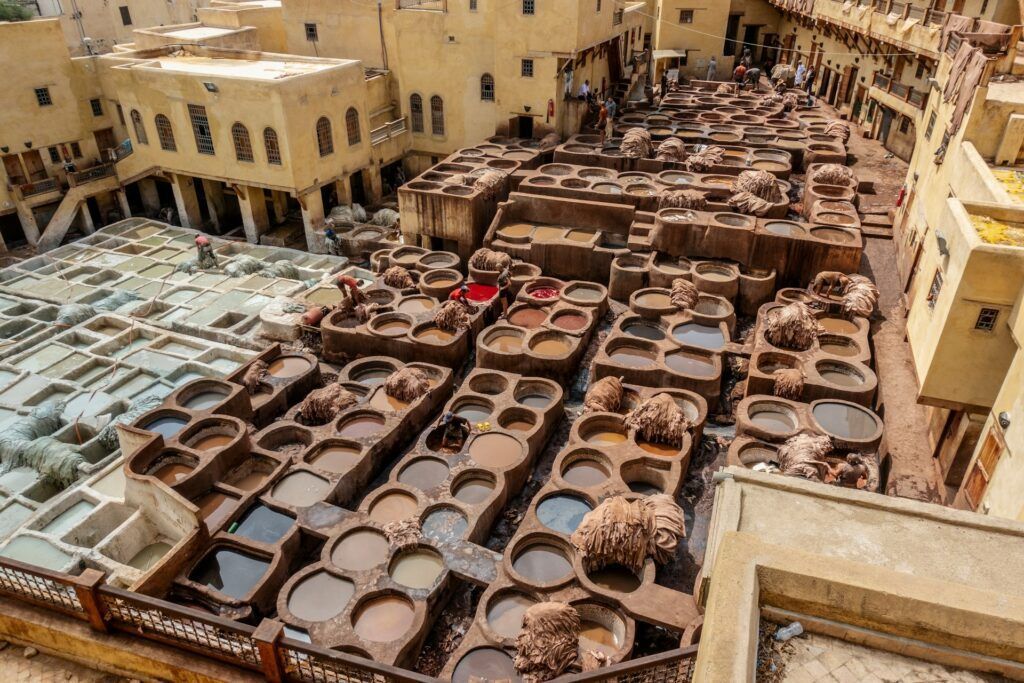
Fes is often described as the cultural and spiritual heart of Morocco.
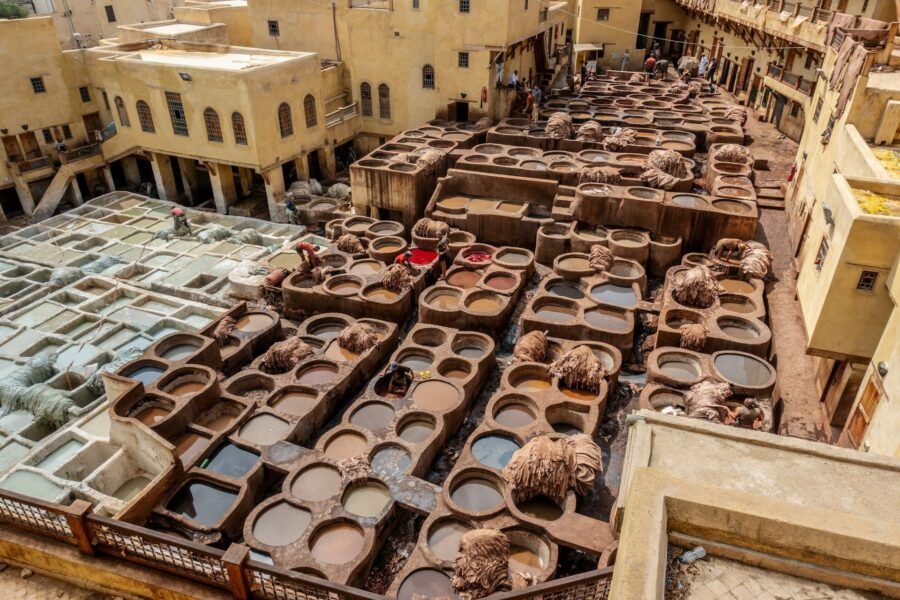
Its medina feels like a journey into another time. Narrow streets, ancient doors, traditional workshops, leather tanneries, fountains, mosques, madrasas and hidden courtyards create an atmosphere that is difficult to describe until you are there.
The Medina of Fes is listed by UNESCO, which describes it as one of the most extensive and best-preserved historic towns of the Arab-Muslim world. Its architecture reflects more than ten centuries of local knowledge and outside influences, including Andalusian, Oriental and African traditions.
Fes is ideal for travelers who love: history, traditional crafts, local food, architecture, photography and slow cultural discovery.
The best way to visit Fes is not to rush. Walk through the medina with someone who knows it well, stop to look at the details and allow yourself to get lost in the atmosphere — but preferably not literally, because the medina is a real labyrinth.
Marrakech: colour, energy and unforgettable first impressions
Marrakech is often the first image many travelers have of Morocco.
It is lively, warm, colourful and full of movement. You can walk through souks filled with lamps, carpets, spices and leather, visit peaceful gardens, enjoy rooftop views, sleep in a traditional riad and feel the energy of Jemaa el-Fna square as the evening begins.
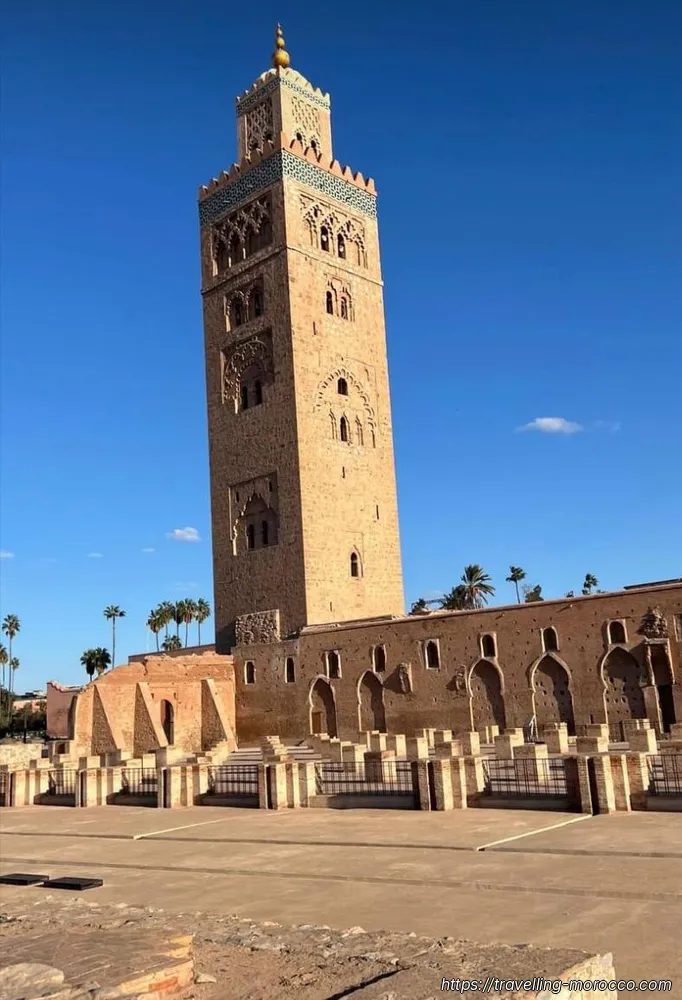
The Medina of Marrakesh is also a UNESCO World Heritage Site. UNESCO notes that Marrakesh was founded by the Almoravids in 1070–1072 and became an important political, economic and cultural centre, with monuments such as the Koutoubia Mosque, the Kasbah, historic gates, gardens and ramparts.
Marrakech is perfect for travelers who want: souks and shopping, rooftop restaurants, gardens and palaces, cooking classes, hammam experiences and day trips to the Atlas Mountains or Essaouira.
Marrakech can feel intense at first, especially for first-time visitors. But with the right rhythm, it becomes one of the most memorable cities in Morocco.
Meknes: the quieter Imperial City
Meknes is often less famous than Fes or Marrakech, but that is part of its charm.
It is quieter, easier to explore and full of impressive history. For many travelers, Meknes is a pleasant surprise because it feels more relaxed while still offering grand gates, walls, historic buildings and a strong imperial identity.
UNESCO explains that the Historic City of Meknes was founded in 1061 by the Almoravids as a military settlement and later became strongly associated with Sultan Moulay Ismail. It also highlights the city’s influence on civil and military architecture, especially the kasbah.
Meknes is a good choice if you enjoy: historic gates and walls, less crowded sightseeing, imperial architecture, a calmer atmosphere, combining the city with Volubilis and Moulay Idriss.
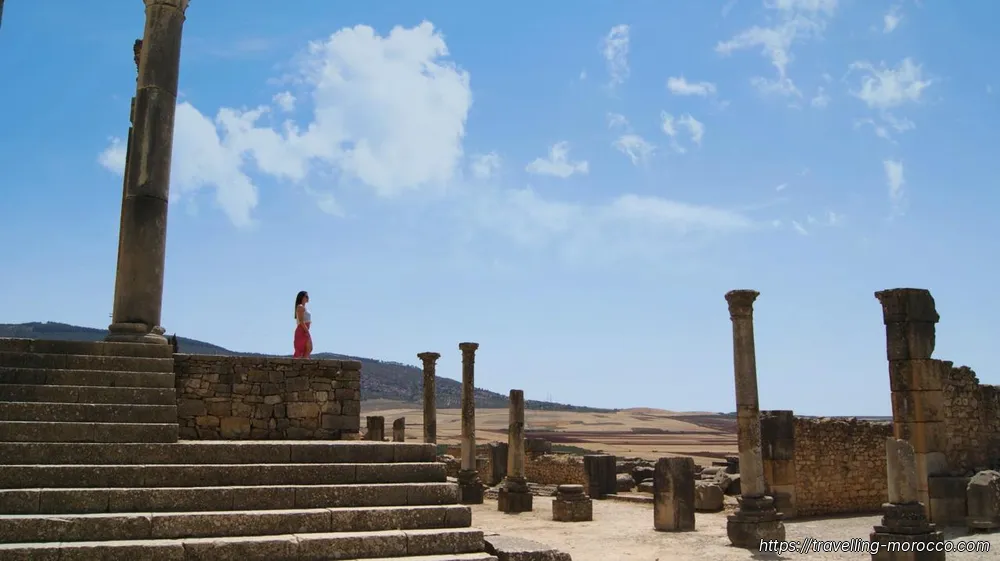
Many travelers visit Meknes together with Fes, because the two cities are relatively close. It is also common to combine Meknes with the Roman ruins of Volubilis, one of the most interesting archaeological sites in Morocco.
Rabat: the elegant capital by the sea
Rabat is Morocco’s current capital, and it has a different feeling from the other Imperial Cities.
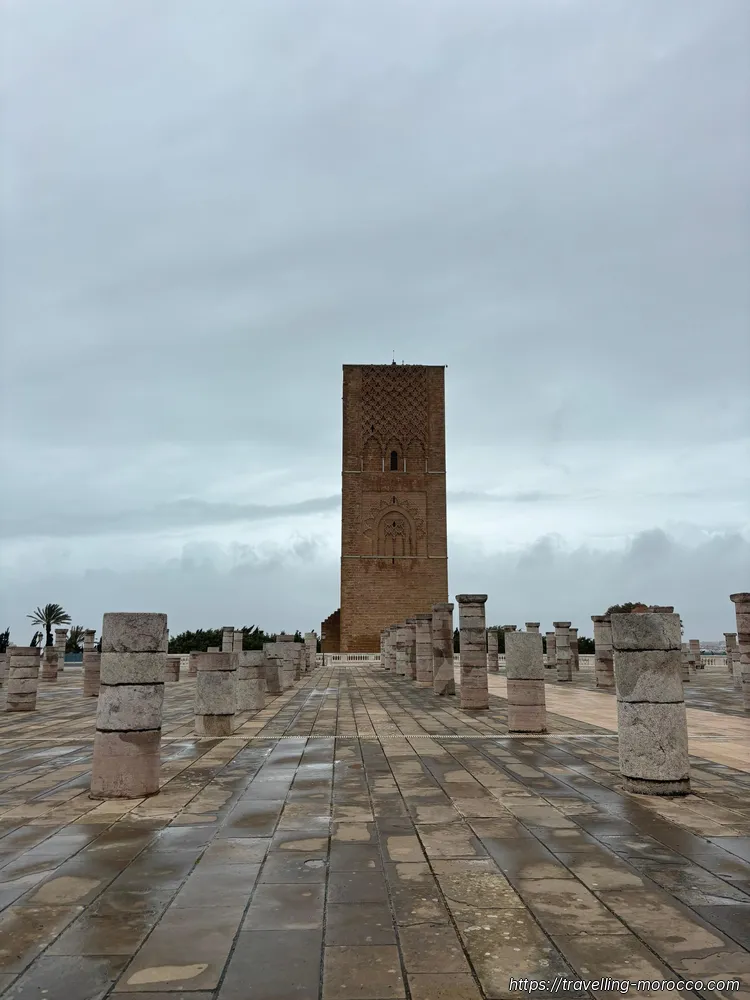
It is calmer, more elegant and more spacious. Here, you can visit historic monuments, walk near the ocean, discover the Kasbah of the Udayas, see the Hassan Tower and enjoy a city that mixes tradition with a more modern rhythm.
UNESCO describes Rabat as a “Modern Capital and Historic City,” noting that its newer town was one of the largest and most ambitious modern urban projects built in Africa in the 20th century, while older parts include the Hassan Mosque, Almohad ramparts and gates, and remains connected to the 17th-century Andalusian presence.
Rabat is ideal for travelers who like: coastal views, historic monuments, elegant streets, a more relaxed capital city, culture without too much chaos and combining history with modern Morocco.
Rabat is often included in Imperial Cities tours between Casablanca, Meknes or Fes. It is also a good stop for travelers who arrive in Casablanca and want to begin their trip gently.
Why visit the Imperial Cities?
The Imperial Cities are perfect if you want a trip that feels rich, cultural and varied.
They are also a great option for travelers who do not want only desert landscapes. The desert is magical, of course, but the Imperial Cities help you understand the soul of Morocco. They show you how the country was built, how people lived, how artisans worked and how traditions continue today.
How many days do you need?
If you want to visit all four Imperial Cities, I would recommend at least 7 to 10 days.
A comfortable route could be:
Casablanca → Rabat → Meknes → Fes → Marrakech
Or, depending on your flights:
Marrakech → Fes → Meknes → Rabat → Casablanca
If you have more days, you can add:
- Chefchaouen.
- Volubilis.
- Essaouira.
- The Atlas Mountains.
- The Sahara Desert.
For a richer first trip, many travelers combine Imperial Cities with the desert. For example:
Casablanca → Rabat → Meknes → Fes → Sahara Desert → Atlas Mountains → Marrakech
This kind of route gives you culture, history, landscapes and adventure in one journey.
Which Imperial City should you choose if you have little time?
If you cannot visit all four, here is a simple way to choose:
Choose Fes if you love history, crafts and ancient medinas.
Choose Marrakech if you want colour, energy, souks and atmosphere.
Choose Meknes if you prefer quieter historic cities.
Choose Rabat if you want elegance, coastal air and a modern capital with heritage.
For most first-time travelers, the best combination is usually Fes and Marrakech. They are very different, and together they show two powerful sides of Morocco.
Plan your Morocco Imperial Cities Tour
From Fes. The Imperial cities
(7 days)
Casablanca to Marrakech. Imperial cities
(6 days)